 EN
Selecting the right plastic bottle manufacturer requires careful evaluation of production capacity and capabilities. Many companies focus only on pricing without considering whether a manufacturer can consistently deliver the volume and quality your business demands. Capacity encompasses not just raw production volume, but also the ability to handle custom specifications, maintain quality standards, and scale operations as your needs grow.
Understanding capacity extends beyond simple production numbers. A reliable plastic bottle manufacturer must demonstrate expertise in the PET bottle manufacturing process, maintain strict plastic container production standards, and offer custom plastic bottle production tailored to your specifications. This comprehensive approach ensures your supply chain remains dependable and your products meet market expectations consistently.
Understanding Production Volume and Throughput
Annual and Monthly Output Capabilities
When evaluating a plastic bottle manufacturer, begin by understanding their stated annual production capacity. Most manufacturers measure capacity in units per year or per month, but this number means little without context. Ask specifically about peak capacity versus sustainable capacity. A facility might produce 50 million units annually at maximum stress, but operating at such levels damages equipment, increases defect rates, and creates bottlenecks. A responsible plastic bottle manufacturer maintains sustainable capacity levels that allow for quality control and equipment maintenance cycles.
Request documentation of recent production volumes and delivery timelines. Historical performance reveals whether a manufacturer genuinely achieves their stated capacity or consistently misses deadlines. Ask about current customer base and production commitments. A manufacturer operating at 95 percent capacity may struggle to accommodate your orders during peak seasons. Instead, seek partners with 60 to 75 percent utilization rates, ensuring sufficient headroom for growth and emergency orders without compromising quality.
Equipment Modernization and Technology
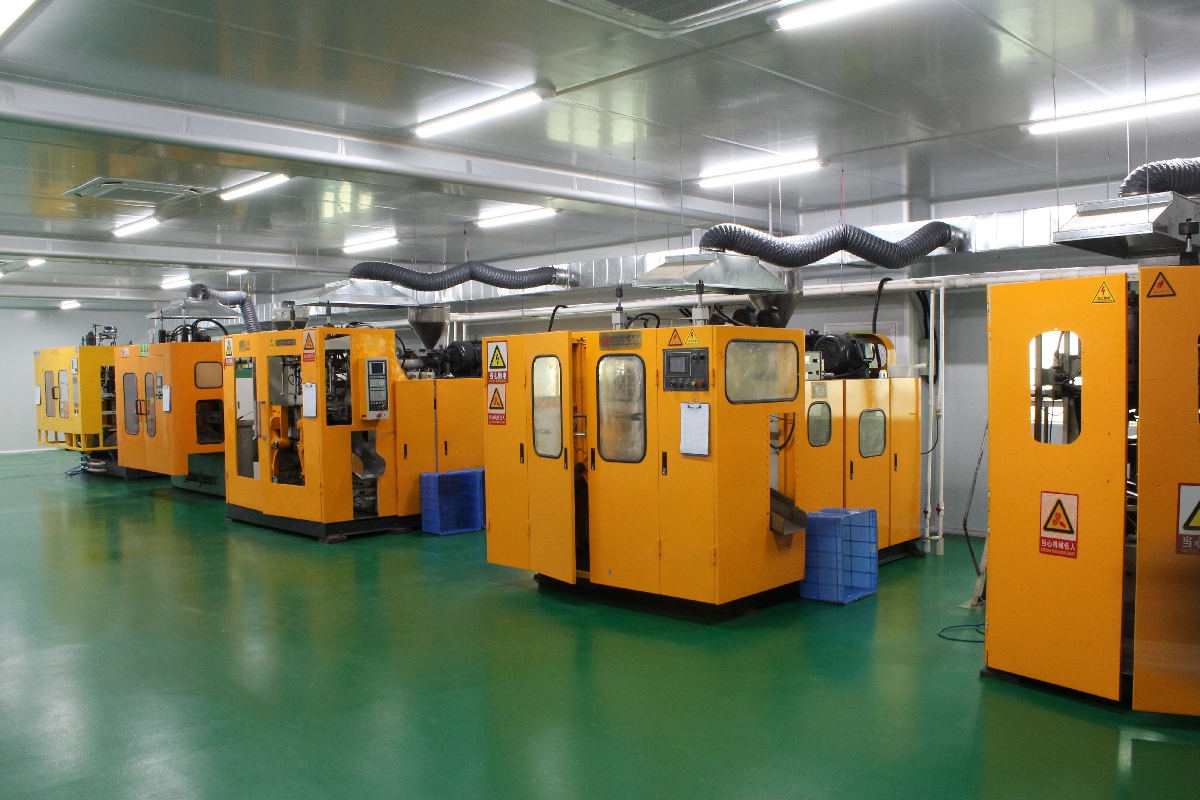
The PET bottle manufacturing process depends heavily on equipment age and sophistication. Modern injection molding and blow molding systems produce consistent, high-quality containers with minimal waste. Older equipment requires more manual intervention, has lower precision, and generates higher scrap rates. During facility visits, examine the manufacturing equipment and ask when major installations occurred. Equipment installed within the last five to seven years typically supports current efficiency standards and enables faster production rates.
Advanced technology also impacts cycle times and product variety. Machines equipped with rapid temperature control systems and automated quality monitoring reduce time between production runs and improve plastic container production standards. This flexibility becomes critical when managing custom plastic bottle production. A manufacturer with modern equipment can switch between different bottle sizes, colors, and specifications quickly without extensive downtime.
Custom Plastic Bottle Production and Design Flexibility
Mold Development and Tooling Capacity
Custom plastic bottle production requires dedicated tooling and mold development expertise. Each unique bottle design requires custom molds, a significant investment requiring technical precision and validation. Evaluate whether your plastic bottle manufacturer maintains in-house mold design and machining capabilities. External mold sourcing introduces delays, quality inconsistencies, and additional costs. A manufacturer with internal tooling capacity can iterate designs rapidly, test prototypes efficiently, and maintain tighter quality specifications across all production runs.
Ask about mold inventory and whether your manufacturer maintains spare molds for critical products. High-capacity manufacturers typically stock backup tooling to prevent production interruptions if primary molds require maintenance or repair. Understanding mold development timelines proves essential for product launches. Most competent shops require two to six weeks for custom mold creation, depending on complexity. Ask for references from previous clients regarding design responsiveness and modification turnaround times.
Material Selection and Testing Protocols
Custom plastic bottle production involves selecting appropriate materials for your specific application. PET bottle manufacturing process standards distinguish between food-grade, pharmaceutical-grade, and industrial-grade materials. Your plastic bottle manufacturer must understand material properties, compatibility with contents, regulatory requirements, and shelf stability. Request detailed information about material sourcing, supplier auditing, and batch testing procedures. Food-grade PET requires specific certification and traceability that many manufacturers cannot provide.
Examine whether your manufacturer conducts independent testing of resin batches and maintains detailed material certificates of analysis. Plastic container production standards require documentation proving material compliance with FDA, EU, and industry-specific regulations. A sophisticated plastic bottle manufacturer maintains testing relationships with accredited laboratories and performs regular compliance audits. This investment in quality infrastructure protects your brand from contamination risks and regulatory violations.
Quality Assurance and Production Standards
Quality Control Infrastructure and Certifications
Plastic container production standards demand rigorous quality control throughout manufacturing. Evaluate your plastic bottle manufacturer's inspection capabilities and quality systems. Modern facilities employ automated vision inspection systems that detect dimensional variations, wall thickness inconsistencies, and surface defects invisible to human inspectors. Ask about defect rates, specifically the percentage of containers rejected during production and post-production inspection stages. Industry-leading manufacturers typically maintain defect rates below 0.5 percent.
Request copies of quality certifications such as ISO 9001, ISO 13485, or industry-specific standards applicable to your application. These certifications validate that manufacturers have implemented systematic quality management processes. Beyond certifications, ask about specific quality testing procedures including pressure testing for carbonated beverages, leak testing for liquid containers, and clarity assessment for transparent bottles. A capable plastic bottle manufacturer readily provides detailed quality documentation and welcomes facility audits from major customers.
Regulatory Compliance and Documentation
The PET bottle manufacturing process intersects with numerous regulations depending on your product category. Food and beverage applications require compliance with FDA regulations and consumer protection standards. Pharmaceutical containers demand adherence to USP standards. Your plastic bottle manufacturer must maintain comprehensive documentation proving compliance with all applicable regulations. Request safety data sheets for all materials used and documentation confirming food contact compliance for finished containers.
Ask whether your manufacturer maintains traceability systems that track material lots through production stages. This capability proves essential if product recalls become necessary. A sophisticated plastic bottle manufacturer can identify exactly which production batches contain materials from a specific resin supplier, enabling targeted recalls rather than broad market withdrawals. This infrastructure demonstrates commitment to plastic container production standards and customer protection.
Scalability and Supply Chain Resilience
Expansion Plans and Future Capacity
As your business grows, your plastic bottle manufacturer must grow alongside you. During evaluation, ask about their expansion plans and investment commitments. Manufacturers planning significant capital investments in new equipment demonstrate confidence in their market position and ability to attract financing. Conversely, manufacturers with stagnant equipment and aging facilities may struggle to meet future volume demands. Understanding their growth strategy helps you avoid outgrowing a supplier midway through a critical contract period.
Discuss redundancy and backup production options. Leading manufacturers maintain production capacity across multiple facilities or establish strategic partnerships enabling production overflow management. This redundancy protects your supply chain from catastrophic disruptions due to equipment failures or natural disasters. A plastic bottle manufacturer prioritizing supply chain resilience invests in backup systems and maintains relationships with industry partners.
Lead Times and Inventory Management
Capacity influences lead time directly. A manufacturer operating near maximum capacity requires long lead times for new orders and may impose minimum order quantities reflecting their production batch sizes. Custom plastic bottle production with complex specifications demands longer lead times than standard products. Ask your manufacturer about typical lead times for repeat orders versus custom projects, minimum order quantities, and whether they offer expedited production options for emergency orders.
Discuss inventory management policies and storage capabilities. Some manufacturers offer finished goods warehousing, allowing you to stagger purchases and access inventory on shorter notice. This service adds value particularly for seasonal businesses experiencing demand fluctuations. Understanding inventory terms clarifies whether your manufacturer can support your cash flow requirements or whether inventory handling costs will impact your economics.
FAQ
What production volume constitutes adequate capacity for most businesses?
Adequate capacity depends on your business scale, but most companies benefit from working with manufacturers operating at 60 to 75 percent utilization. This allows sufficient headroom for your growth without forcing you toward small suppliers lacking stability. For custom plastic bottle production, ensure manufacturers maintain dedicated capacity allocation rather than treating your products as overflow jobs. Request written capacity commitments guaranteeing availability during peak seasons.
How do I verify a plastic bottle manufacturer meets quality standards?
Request third-party certifications, quality audit results, and defect rate documentation. Visit their facilities personally or hire independent auditors if purchasing large volumes. Examine their PET bottle manufacturing process documentation and request samples from past production runs. Ask for customer references specifically mentioning quality consistency and issue resolution. A manufacturer confident in their plastic container production standards welcomes scrutiny and transparent quality discussions.
What capacity considerations matter most for custom plastic bottle production?
For custom production, prioritize manufacturers with in-house mold development, adequate tooling capacity, and flexible equipment. Evaluate their prototype turnaround time and modification responsiveness. Ask whether they maintain capacity reserves specifically for custom work or whether custom projects compete with standard products for production slots. Manufacturers treating custom work as a priority service typically invest in dedicated resources ensuring consistent delivery and quality on specialized projects.